
What Good Curb Appeal Actually Does for a Multifamily Property

Curb appeal gets treated like a cosmetic concern. Something you address when a property is being photographed for marketing or prepared for sale. In multifamily housing, that framing undersells it significantly. The exterior condition of a property does real work every day, and the effects show up in leasing conversations, resident retention, and long-term asset value.
It Sets Expectations Before Anyone Steps Inside
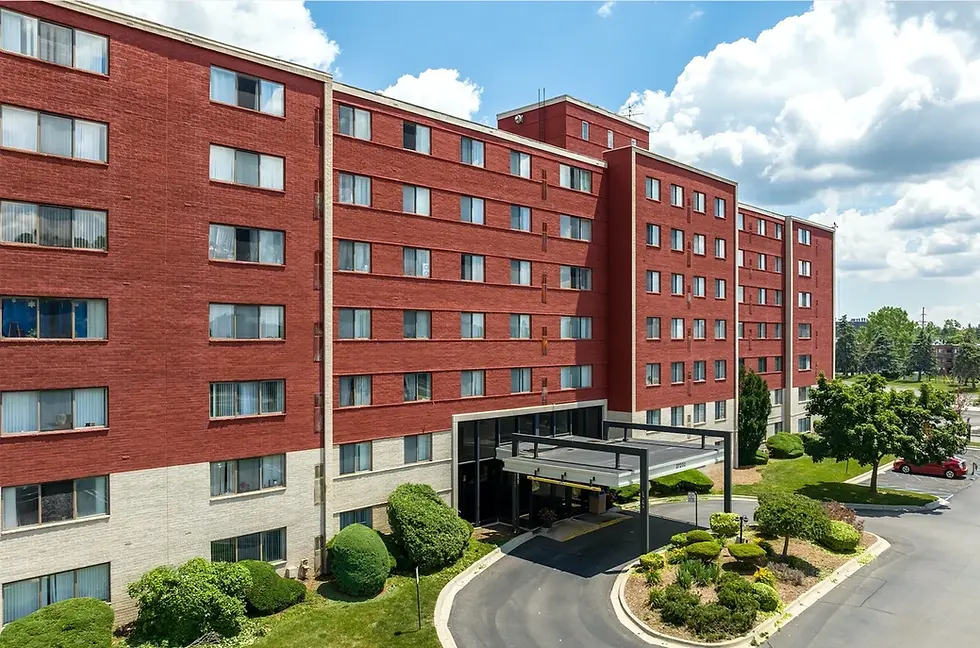
A prospective resident's impression of a property begins before they reach the front door. The condition of the parking lot, landscaping, signage, lighting, and building exterior all communicate something about how the property is managed. A well-maintained exterior signals that the interior will be maintained too. A neglected one raises questions that are hard to walk back once someone is standing in a leasing office.
This matters especially in affordable housing, where properties sometimes carry assumptions about quality that have nothing to do with the actual management. A clean, well-kept exterior challenges those assumptions immediately.
It Affects How Current Residents Feel
Residents who come home to a property that looks cared for feel differently about where they live than residents who don't. That sounds obvious, but it has real consequences. Pride in a living environment influences how residents treat shared spaces, how they talk about the property to friends and family, and ultimately whether they choose to renew.
Curb appeal is not just about attracting new residents. It is about reinforcing to current residents that their home is worth staying in.
The Specific Details That Do the Most Work
Not all exterior improvements carry the same weight. A few areas consistently have the most impact in multifamily properties:
Parking lots and walkways are noticed by everyone, every day. Cracked pavement, potholes, and uneven sidewalks create both safety concerns and a general sense of neglect. Keeping these in good condition is maintenance, not decoration.
Lighting matters more than most people realize. Well-lit entryways, parking areas, and common pathways improve safety and make a property feel actively managed. Burned-out fixtures in visible areas send the wrong signal quickly.
Landscaping does not need to be elaborate. Trimmed grass, cleared walkways, and maintained trees and shrubs are enough to communicate that the property is being monitored and cared for. Overgrown or visibly neglected landscaping is one of the fastest ways to undermine an otherwise solid property.
Building exteriors, including paint, signage, and entryway conditions, are the backdrop against which residents and visitors form their first impression. Peeling paint, damaged signage, or a poorly maintained entrance can offset a lot of interior quality.
What It Costs to Ignore It
Deferred exterior maintenance tends to compound. Small landscaping issues become larger ones. Pavement cracks that go unaddressed through a Michigan winter become potholes. Lighting that is not replaced creates liability exposure. The cost of staying on top of these things is consistently lower than the cost of catching up after they have deteriorated.
There is also a leasing cost to poor curb appeal that does not show up on a maintenance budget. Prospective residents who drive by and decide not to schedule a tour are invisible. That lost traffic does not generate a complaint or a work order. It just quietly affects occupancy.
The Owner and Operator Takeaway
Curb appeal is a leasing tool, a retention tool, and a maintenance strategy at the same time. Properties that maintain their exterior consistently spend less on deferred repairs, lease faster, and hold their value better over time. The investment is not dramatic. It is regular attention to the details that residents and prospective residents see every single day.
If you have questions about property maintenance or want to connect with the ORLO team, contact us today.


Comments